
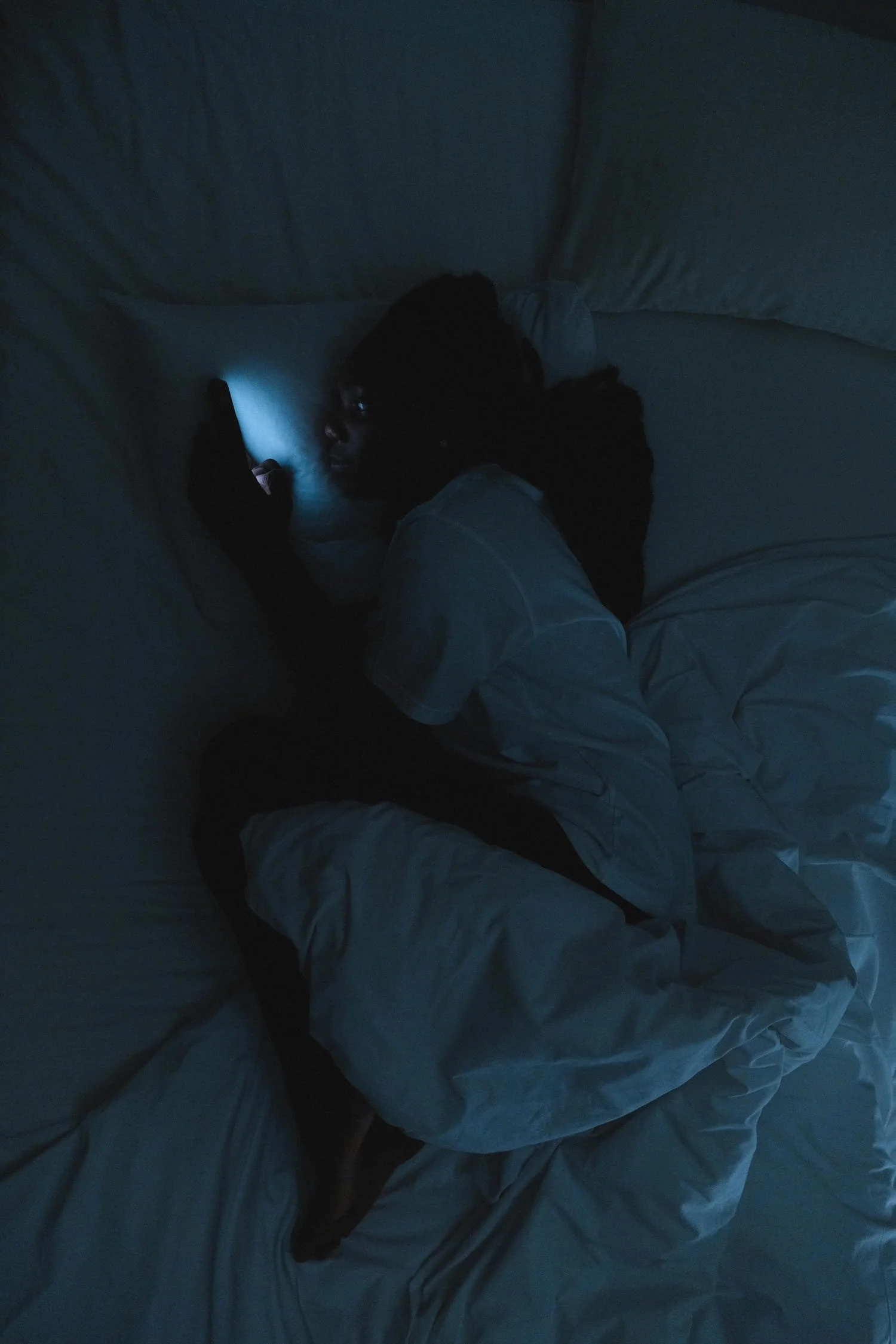
For many teen girls, bedtime has become screen time, and the cost is more than just lost sleep. Late-night phone use disrupts the rest their developing minds and bodies desperately need.
As a teenage girl, I know that many girls, including myself, tend to have very unhealthy sleep habits.
According to the CDC, teens need around 8–10 hours of sleep. However, the majority get far less. I sent a survey to 1,000 teenage girls across America. In the survey, girls who reported not getting enough rest also rated their school performance and mental health noticeably lower than others.
What my survey revealed
For the girls who rated their sleep below 5 out of 10:
Were more likely to report emotional outbursts, anxiety, and low self-esteem
Scored lower in academic confidence
Were more likely to feel unmotivated
A CDC study backs this up, proving that chronic sleep deprivation affects mood regulation and decision-making and increases the risk of depression. Lack of enough sleep can impact hormonal regulation, emotional stability, energy, attention span, and even memory, which means that getting enough sleep is like tapping into a mental health superpower.
Girls in my survey who slept 8 or more hours scored significantly higher in overall life satisfaction and self-confidence.
What We Can Do
Schools can help by considering later start times which would give students more opportunity for restorative sleep
Families can co-create sleep-friendly routines, such as limiting screens before bed and encouraging consistent bedtimes
Teachers can support students during high-stress periods by recognizing the sleep deprivation significantly affect learning, focus and well-being
