
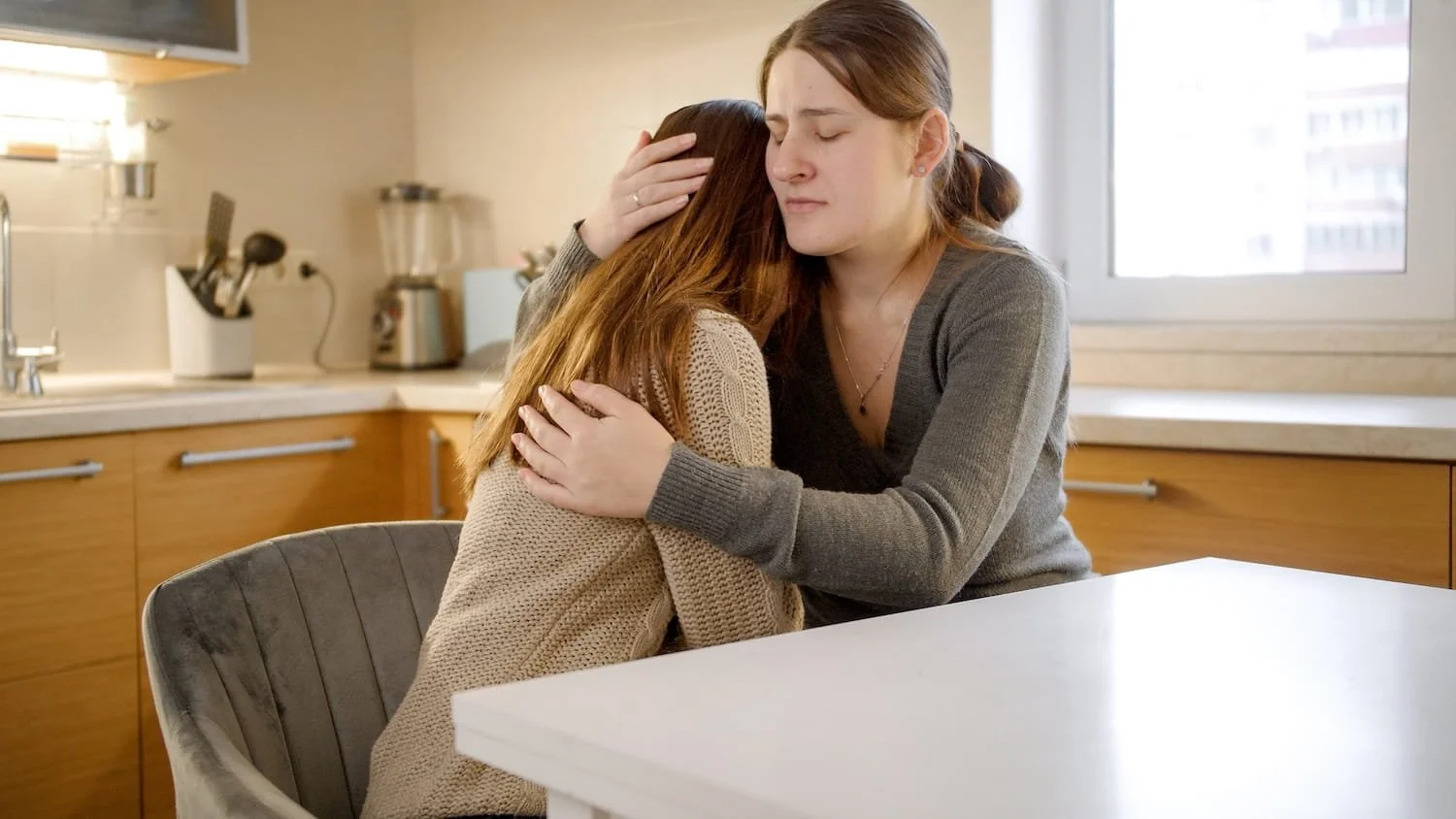
When family stability breaks down, the emotional toll on teenage girls runs deep—but consistent connection and support from a caring adult can make all the difference.
Divorce may be common today, but that doesn’t mean it’s an emotionally neutral experience. For a teenage girl, the separation of her parents often triggers feelings of uncertainty, anxiety, and the painful sense that the world as she knows it is collapsing - because, in many ways, it is.
This past spring, I surveyed 1,000 teenage girls across the United States about how family structure affects their mental health. In that survey, I asked questions like: “Do both of your parents live in the same home as you?” How often do you feel stressed or anxious? Do you feel you can trust the adults in your life?
The results were heartbreaking.
What the Data Showed
According to my data, girls whose parents were separated reported the following:
40% more likely to rate their daily stress as 8 or higher on a 10-point scale
Lower confidence and less comfort in their own skin
More emotional instability and difficulty maintaining mental health routines
Less trust in the adults around them
Divorce doesn’t just divide households - it divides the stability, routines, and emotional foundation girls depend on. The constant transitions, conflicting rules, and loss of daily connection with one parent can quietly erode a teen’s sense of safety and belonging. It only deepens the wound when one or both parents actively speak negatively about each other.
It’s no surprise, then, that family instability is a major risk factor for adolescent depression and anxiety.
Why It Matters
Stable relationships with parents and caregivers are essential for mental and emotional well-being. When that stability is disrupted, it can leave a void that is often overlooked. Left unaddressed, that emptiness can turn into anxiety, sadness, and low self-worth - feelings that follow girls into friendships, classrooms, and future relationships.
But it doesn’t have to be this way.
What We Can Do
Schools can offer small support groups or clubs specifically for students experiencing family separation, providing them with a stable space away from home where they know they’re not alone.
Schools can establish mentorship programs that connect students with trusted adults or professionals as soon as a family separation occurs.
Parents are encouraged to prioritize consistent communication - daily texts, phone calls, and other shared rituals - to preserve relationships and prevent feelings of abandonment.
Communities can normalize talking about divorce without shame, so teens feel more empowered to seek help instead of hiding their pain.
Family may not always look “traditional,” but support must always be intentional. When we recognize and respond to the emotional cost of family instability, we help girls rebuild the security they need to thrive.
